PHONE 24*7 Helpline 011-47592046, 9971004993,
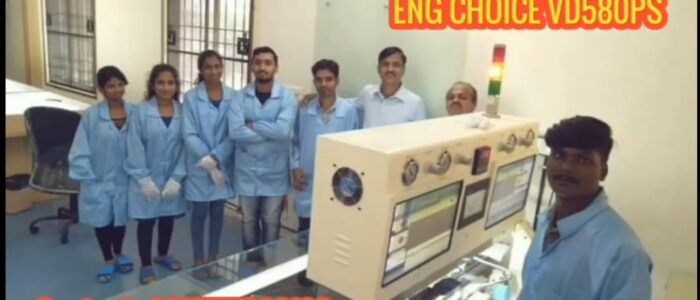
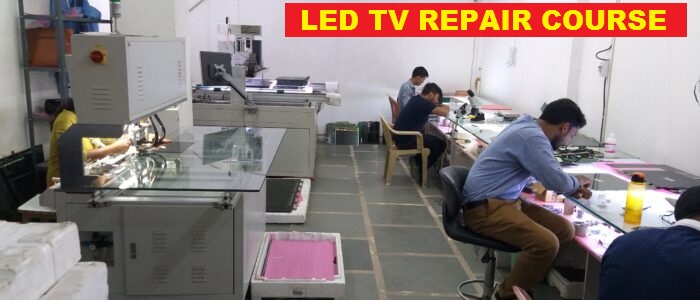
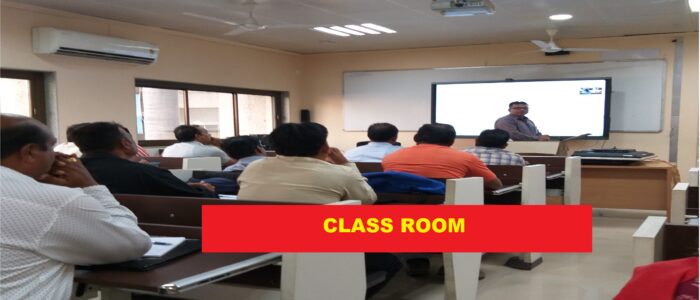
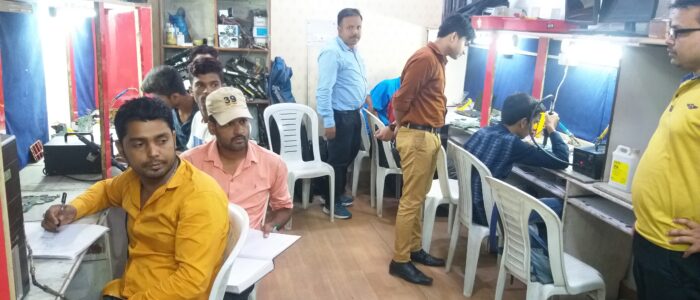
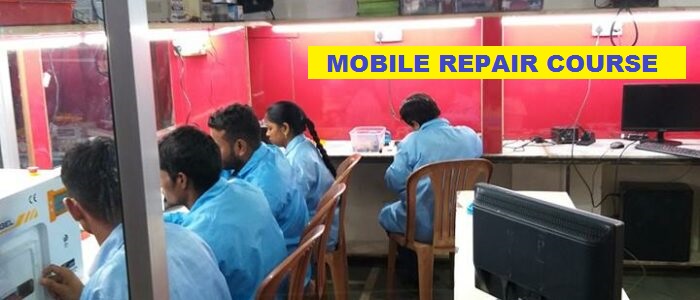
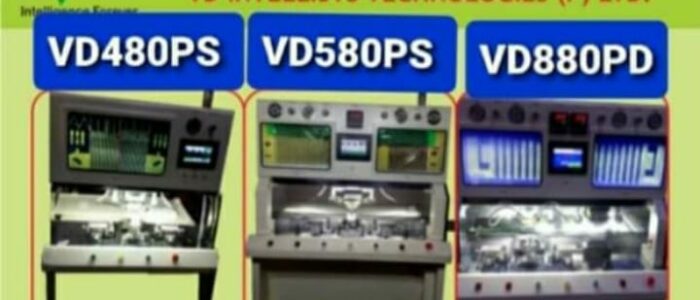
Welcome to CHIPTRONIKS Repairing Research Institute Chiptroniks is market leader in Chip Level Repair Training Laptop ,Mobile,LED LCD TV,printer,CCTV Repair Training Institute.(लैपटॉप,मोबाइल, एलईडी एलसीडी टीवी, प्रिंटर, सीसीटीवी रिपेयरिंग ट्रेनिंग सेंटर।)
intitle:"Live NetSnap Cam-Server feed" - Various Online Devices GHDB Google Dork. Exploit-DB
Live cam server feeds, such as those provided by services like Nest (which could be what you're referring to with "NetSnap"), allow users to access and view live video feeds from cameras installed at various locations. These could be home security cameras, public surveillance cameras, or even webcams.
Back up critical event clips to an off-site cloud server while keeping raw, high-volume footage on local Network Attached Storage (NAS) hard drives. Troubleshooting Common Feed Failures
: Upgrading your server (such as Home Assistant or a custom NVR) can sometimes break existing feeds, requiring a refresh of the connection URL or login credentials. live netsnap cam server feed aggionamenti episodi work
Unpatched software leaves known remote code execution (RCE) vulnerabilities open.
: Open settings to adjust your webcam's resolution and quality. Ensure your webcam is correctly recognized by the operating system (e.g., in Windows Settings > Bluetooth & devices > Cameras ).
Disclaimer: This article is for educational and security awareness purposes only. Accessing, modifying, or exploiting unsecured devices without authorization is illegal. If you'd like, I can: Provide a list of . Recommend secure alternative camera brands . Explain how to use a VPN for camera access . Back up critical event clips to an off-site
Simple listing via nginx: add a location /recordings/ serving /opt/cam-agg/recordings.
In the late 1990s and early 2000s, was a pioneering software application that allowed users to plug a web camera into a computer or server and pipe a live, refreshing image directly to a public or private web address. The Legacy Vulnerability Era
These feeds are usually private security cameras (homes, offices, or warehouses) that were never meant to be public. : Open settings to adjust your webcam's resolution
: Configure the camera feed to split video files every 30 or 60 minutes. This prevents file corruption from ruining an entire day of footage.
If you want, I can:
The camera sensor captures light, converts it to an electrical signal, and compresses it using codecs like H.264, H.255, or MJPEG to reduce file size.
Once connected, the video streams from these cameras need to be processed. This involves handling different video codecs, resolutions, and streaming protocols to ensure compatibility and smooth playback.
(c) A V Chiptroniks Technology Pvt. Ltd. Coaching WordPress Theme